Firefighting requires quick decisions in environments where smoke, heat, darkness, and poor visibility can make conditions extremely dangerous. A thermal imaging camera (TIC) is an important tool that helps firefighters detect heat patterns and how to use a thermal imaging camera for firefighting identify potential hazards that may not be visible to the naked eye. Learning how to use a thermal imaging camera for firefighting can improve situational awareness, support search operations, and help crews make more informed decisions during emergency response.
What Is a Thermal Imaging Camera?
A thermal imaging camera detects infrared radiation and converts temperature differences into a visible image. Instead of relying on ordinary light, the camera displays areas of higher and lower heat using different shades or colors, depending on its display settings.
For firefighters, this technology can be particularly useful when smoke or darkness limits normal vision. A TIC can help reveal heat sources, identify possible fire spread, locate people, and assess conditions inside structures.
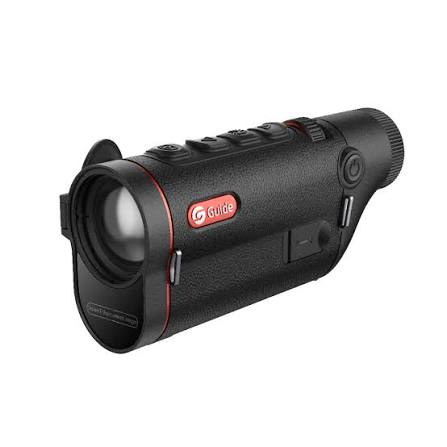
Guide Sensmart provides thermal imaging solutions designed for applications where reliable thermal information can support inspection and emergency operations. Firefighters should always select equipment appropriate for their department’s operational requirements and follow the manufacturer’s instructions.
Why Thermal Imaging Cameras Matter in Firefighting
During a structural fire, visibility can deteriorate rapidly. Smoke may obscure doors, walls, furniture, and other objects. A thermal imaging camera provides another source of information by showing differences in thermal radiation.
TICs can assist firefighters in several situations, including:
- Searching areas where visibility is limited
- Identifying unusually hot surfaces
- Locating possible fire sources
- Checking for heat behind certain surfaces
- Monitoring changing thermal conditions
- Supporting overhaul and post-fire inspections
A thermal camera does not replace standard firefighting equipment, training, or firefighter judgment. Instead, it provides additional information that can help trained personnel understand their surroundings.
Preparing the Thermal Imaging Camera
Before entering an emergency environment, firefighters should become familiar with the camera’s controls, display, battery condition, and operating modes. Regular inspection is important because emergency equipment must be ready when needed.
Check that the camera is powered on and functioning correctly. Confirm that the lens and display are clean and that the battery has sufficient charge. Firefighters should also understand how to adjust relevant settings, operate image controls, and interpret temperature information when the model provides those functions.
Training should take place under controlled conditions before firefighters depend on the camera during an actual emergency.
How to Use a Thermal Imaging Camera for Firefighting
The correct technique depends on the camera model, fire conditions, building layout, and department procedures. However, several general principles can help firefighters use thermal information effectively.
Scan the Environment Methodically
Avoid simply pointing the camera in one direction and assuming the image represents the entire environment. Move the camera systematically from side to side and from lower areas toward higher areas.
Pay attention to unusual heat patterns, temperature differences, and changes that may indicate a developing hazard. A methodical scan can provide more useful information than rapid or random movement.
Use the Camera During Search Operations
A TIC can support search activities by helping firefighters identify thermal differences in an area with poor visibility. A person may produce a noticeable thermal signature compared with surrounding objects.
However, firefighters should never assume that an area is empty simply because no obvious thermal signature appears on the screen. Objects, smoke, distance, obstructions, and environmental conditions can affect what the camera detects. Physical search procedures and established rescue protocols remain essential.
Look for Heat Patterns
Firefighters should learn to recognize thermal patterns rather than focusing only on the hottest point displayed. A hot area may indicate a fire, heated material, or another source of thermal energy.
Comparing nearby surfaces can provide useful context. A wall, ceiling, door, or piece of equipment that appears significantly warmer than surrounding areas may deserve further assessment.
Check Doors and Openings Carefully
Before opening a door in a fire environment, firefighters should assess the surrounding conditions according to their training and department procedures. A TIC can provide additional thermal information around doors and other openings.
An unusually hot surface may indicate heat on the other side, but the thermal image should not be treated as the sole basis for a decision. Firefighters thermal camera for search and rescue fire must consider smoke conditions, building construction, fire behavior, and other available information.
Understanding Thermal Images
Reading a thermal image requires practice. The screen does not show a normal photograph; it represents differences in infrared radiation.
Some cameras use different color palettes to make temperature differences easier to recognize. The hottest areas may appear in bright shades while cooler areas appear darker, but the exact presentation depends on the camera’s settings.
It is important to understand that the displayed temperature or color does not automatically identify the cause of the heat. Firefighters need to interpret the image together with their training and observations.
Common Mistakes to Avoid
One common mistake is treating the thermal imaging camera as a substitute for normal firefighting awareness. The camera is an aid, not a replacement for established procedures.
Another mistake is moving too quickly while scanning. Rapid movement can make it harder to recognize important thermal patterns. Firefighters should also avoid relying on a single image when conditions are changing.
Failure to maintain the equipment can create another problem. Cameras should be inspected, cleaned, charged, and stored according to the manufacturer’s recommendations.
See also: 3D Printing in Tech: More Than Just Prototypes
Training and Maintenance
Effective TIC use depends on regular training. Firefighters should practice scanning techniques, interpreting thermal images, identifying heat patterns, and understanding the camera’s limitations.
Training exercises can include controlled searches, identifying heated objects, locating thermal differences, and practicing communication between team members.
Maintenance is equally important. Departments should follow the manufacturer’s care instructions and establish routine inspection procedures. Battery condition, lens cleanliness, physical damage, and operational performance should be checked regularly.
Using Thermal Imaging Safely
Thermal imaging cameras can provide valuable information, but they have limitations. They may not show every object clearly, and thermal radiation can be affected by distance, materials, reflections, environmental conditions, and other factors.
Firefighters should never enter a hazardous area solely because a thermal image appears safe. The camera should be used together with protective equipment, communication systems, fireground procedures, and professional training.
Final Thoughts
Understanding how to use a thermal imaging camera for firefighting can help firefighters make better use of thermal information in challenging environments. From supporting searches to identifying unusual heat patterns and monitoring changing conditions, a TIC can provide valuable situational awareness.
Guide Sensmart thermal imaging solutions can be considered as part of a broader equipment strategy for organizations that require thermal observation capabilities. The most effective results come from combining reliable equipment with regular training, proper maintenance, sound judgment, and established firefighting procedures. A thermal imaging camera is most valuable when firefighters understand both what it can reveal and what its limitations are.