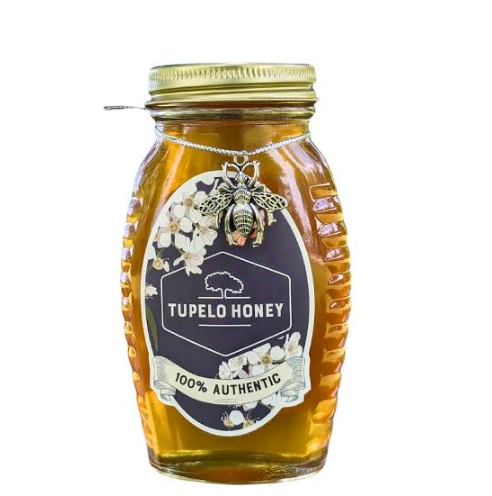
Real Tupelo honey is available online, and the label alone rarely tells the full picture. You can find tupelo honey for sale from direct beekeepers in Florida and Georgia, established specialty honey companies, and carefully vetted retailers. Before buying, look for a named producer, clear Tupelo-region sourcing, a specific product description, transparent handling information, and a return policy. A premium price and a beautiful jar are insufficient proof of authenticity.
The Best Places to Buy Real Tupelo Honey Online
The channel you buy through shapes the information you get about the honey itself. Starting with the most traceable options tends to produce better results.
Buy Direct From Tupelo Beekeepers
Buying direct is the strongest starting point. Look for sellers who identify their own apiary or beekeeping operation, a physical business location, and direct contact information. Direct sellers typically provide the best access to lot details, harvest information, and current availability.
See also: Publishing on Demand: A Modern Approach to Bringing Your Ideas to Life
Buy From Established Specialty Honey Brands
Established brands with a specific Tupelo product page are worth researching. Look for companies that explain the honey’s floral source, harvest geography, and sourcing standards. Smiley Honey, for example, offers raw Tupelo honey and provides information about its sourcing from beekeepers in Tupelo-growing regions. Comparing those details with other specialty honey brands can help you assess whether a listing provides enough information to make an informed purchase.
Use Major Marketplaces as a Discovery Tool
Marketplaces are useful for comparing brands and availability, but verify the actual seller, compare the listing with the brand’s own product page, and skip listings with unclear origin or seller information that fails to match the producer.
Check the Origin Before You Buy
Origin is the most meaningful piece of information on a Tupelo honey listing. Specific geographic language is a much stronger signal than broad regional claims.
Specific Geographic Details to Look For
- Apalachicola River Basin or nearby Florida Panhandle river systems
- Wewahitchka, Florida, when the producer identifies it as the source
- Okefenokee Swamp, Alapaha River, Altamaha River Valley, or another named southern Georgia source
- Named apiary, beekeeper, farm, or extraction location
Vague Origin Language to Question
Loose sourcing language is a reason to dig further. Be cautious of listings that say only “Southern honey,” “Florida honey” without a Tupelo source, “Wildflower honey,” “Tupelo-inspired,” or “Tupelo blend” without an explanation of floral composition. Vague language provides insufficient detail for a buyer seeking real Tupelo honey.
Read the Product Title and Label Carefully
The label reveals the seller is willing to commit to the honey. Stronger descriptions usually carry more verifiable detail.
Stronger Trust Signals
- “Pure Tupelo Honey” or “Raw Tupelo Honey” as the named product
- The producer or beekeeper named clearly alongside a specific geographic source
- Lot, batch, or harvest-season information
- Ingredient statement showing honey without added sweeteners or flavorings
Claims to Examine More Closely
Wording like “Tupelo blend,” “Tupelo-style,” “Made with Tupelo honey,” or “Never crystallizes” as the primary proof of authenticity all warrant closer investigation before buying.
Do Not Use One Trait as Proof
No single characteristic confirms a honey is genuine Tupelo. Color, taste, texture, price, and geographic origin all require other details alongside them. Common traits associated with Tupelo honey that fall short of proof on their own:
- Light golden or slightly greenish cast: Color varies with floral source, handling, light, and batch
- Mild, buttery, floral taste: Taste is subjective and cannot verify floral origin
- Smooth, liquid texture: Crystallization depends on sugar profile, temperature, storage, and processing
- “Raw” or “unfiltered” on the label: Describes handling only, with no bearing on Tupelo origin
- Premium price: Scarcity supports higher pricing, but price alone proves nothing
Use these as screening clues. Rely most heavily on transparent source information, a named seller, and traceable product details.
Questions to Ask an Online Tupelo Honey Seller
Sellers who know their product can answer basic questions. Worth asking before buying:
- Location of hives during the Tupelo bloom and which river basin or region this batch came from
- Whether this is 100% Tupelo, a predominantly Tupelo varietal, or a blend
- Harvest and bottling date, lot number, and processing details
- Policy for jars that arrive damaged or different from the description
How to Compare Online Tupelo Honey Listings
The table below covers the most useful points when comparing listings side by side.
| What to compare | Why it matters |
| Producer name and physical location | Helps establish traceability and accountability |
| Specific harvest region | More useful than a broad state or country claim |
| Product description | Shows whether it is pure Tupelo, a varietal claim, or a blend |
| Current stock status | Tupelo harvests are limited, and availability changes by season |
| Jar size and price per ounce | Lets you compare value fairly across sellers |
| Processing description | Helps you choose raw, filtered, or minimally processed styles |
| Batch or harvest detail | Gives a stronger traceability signal |
| Seller and fulfilment identity | Important on marketplaces where third parties may sell the same listing |
| Shipping and heat policy | Honey can be damaged or change texture in transit |
| Return and refund policy | Important for any premium food purchase |
Compare the total delivered price. Shipping, taxes, and subscription terms can change the real cost significantly.
Direct Sellers and Brands to Research
The producers below appear in well-regarded search results for real Tupelo honey. Research each on their own current product page before buying.
1. Smiley Honey
Smiley Honey offers raw Tupelo honey sourced from beekeepers who place hives in genuine Tupelo-growing regions during the bloom. The brand focuses on single-varietal honey and provides sourcing details tied to each harvest, giving buyers more context than a generic “Tupelo” label. The honey is bottled without heavy filtration or heating, helping preserve its natural character while giving shoppers clearer information about where their Tupelo honey comes from.
2. Florida-Focused Producers
L.L. Lanier & Son’s Tupelo Honey identifies the business in Wewahitchka, Florida, and sells pure raw Tupelo honey online. Sleeping Bear Farms describes direct Florida Panhandle sourcing and offers an online Tupelo collection.
3. Georgia-Focused Producers
Weeks Honey Farm identifies raw Georgia Tupelo honey from the Alapaha River. Honey Next Door describes sourcing from South Georgia swamps around the Altamaha River Valley. Savannah Bee Company identifies its Tupelo honey with the Okefenokee Swamp and Apalachicola River Basin.
Treat these as starting points to research rather than a permanent ranking. Availability, pricing, and shipping terms change by season.
When Online Price Is a Warning Sign
Price outliers deserve scrutiny. Be cautious when the price is far below comparable Tupelo listings with no explanation, large discounts come with no harvest or condition details, unusually large quantities are offered with no producer or batch information, or the listing description mentions blends or generic honey despite the Tupelo label. A seller with no physical address and no ability to answer sourcing questions is also a concern.
Buying for Taste, Gifts, or Everyday Use
How you plan to use the honey shapes what to prioritize when ordering.
For a first purchase, start with one smaller jar from a traceable producer and treat the tasting as personal rather than an authenticity test. For gifts, choose a seller with secure packaging, delivery tracking, and a clear breakage policy; order early in hot weather or around holidays. Bulk buyers should ask about current-lot consistency, harvest date, and shelf-life guidance before committing.
Storing After Delivery
Inspect the jar on arrival for cracks, leaks, loose lids, or label mismatches. Store tightly sealed at stable room temperature in a dark cupboard, keep wet spoons and food residue out of the jar, and avoid refrigerating unless the producer instructs otherwise. Contact the seller promptly if the product arrives damaged or different from its description.
FAQs
How can you tell if Tupelo honey is real?
Look for a named producer, a geographic source such as the Apalachicola River Basin or a named Georgia river, and clear labelling. Sellers who can name the harvest region and bloom season are the strongest signal.
Does real Tupelo honey crystallize?
Pure Tupelo honey resists crystallization due to its naturally high fructose-to-glucose ratio. Slow crystallization is a common characteristic but falls short of definitive proof. Blended or processed honey can also stay liquid for extended periods.
What is a fair price for real Tupelo honey?
Genuine Tupelo honey costs significantly more than standard clover or wildflower honey. Small jars from direct beekeepers often range from $15 to $30 or more. Listings priced well below comparable offerings without explanation deserve scrutiny.
Conclusion
Real Tupelo honey for sale online comes from a small number of beekeepers working a short seasonal window in a specific region of the southeastern United States. Knowing where to look, what origin details to expect, and which questions to ask can make the buying process much easier. A traceable source, a named producer, and a seller willing to answer basic questions are worth more than any single label claim.
When comparing options, focus on the details that can actually be verified. Look for clear harvest locations, information about the beekeeper or producer, straightforward ingredient and processing details, and a seller with transparent shipping and return policies. These details give you a better basis for choosing Tupelo honey than appearance, price, or broad claims on the front of a jar.
Read More: Honey Bear Bottle for Kids: Why Children Love the Shape