In modern production and packaging industries, efficiency, precision, and consistency are essential for staying competitive. One of the most important technologies supporting these goals is the automatic vial labeling machine, a system designed to apply labels quickly and accurately to a wide range of products without manual intervention. Whether in food packaging, pharmaceuticals, cosmetics, or logistics, automated labeling has become a core part of industrial automation.
In this comprehensive guide, we will explore everything about labeling technology, focusing on how an automatic labeling machine works, its types, benefits, applications, and how to choose the right system for your production needs. This article is designed to help businesses improve operational efficiency and better understand modern packaging solutions.
What is a Labeling Machine in Industrial Packaging?
A labeling machine is a specialized packaging device used to apply labels to products, containers, bottles, boxes, or packages. These machines ensure that labeling is accurate, consistent, and aligned with branding and regulatory requirements.
In today’s competitive manufacturing environment, manual labeling is no longer efficient. Industries now rely heavily on automation to reduce labor costs, minimize errors, and increase production speed. A modern labeling system can handle thousands of units per hour while maintaining perfect alignment and adhesive application.
The use of a labeling machine also ensures compliance with product identification standards, barcoding requirements, and traceability systems that are critical in industries like pharmaceuticals and food production.
How Does an Automatic Labeling Machine Work?
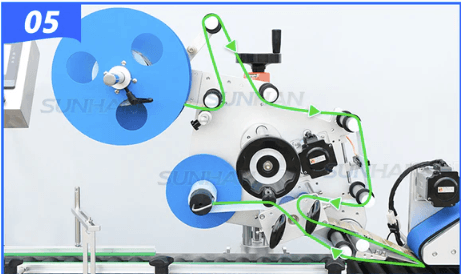
An automatic labeling system operates through a combination of sensors, conveyors, and precision applicators. The process typically follows these steps:
- Products are placed on a conveyor belt.
- Sensors detect the position and orientation of each item.
- The system triggers the labeling mechanism at the exact moment.
- Labels are dispensed and applied to the product surface.
- Quality control systems verify placement accuracy.
Modern systems are integrated with PLC (Programmable Logic Controllers) and touch-screen interfaces, allowing operators to adjust speed, label size, and placement with ease. Advanced machines even include vision inspection systems for real-time error detection.
Types of Automatic Labeling Machines
Different industries require different labeling solutions. Below are the most common types used in manufacturing:
1. Wrap-Around Labeling Machines
These are widely used in bottle packaging industries. Labels are wrapped around cylindrical containers such as water bottles, beverage bottles, and chemical containers.
2. Front and Back Labeling Machines
This type applies labels to both sides of a product simultaneously. It is commonly used in cosmetic and pharmaceutical packaging.
3. Top Labeling Machines
Designed for labeling the top surface of boxes, trays, or containers, often used in food packaging lines.
4. Sleeve Labeling Machines
These machines apply shrink sleeves that cover the entire container, offering 360-degree branding and protection.
5. Print and Apply Labeling Machines
These systems print barcode or product information in real time and immediately apply the label, widely used in logistics and warehousing.
Each system serves a unique purpose depending on packaging requirements and production volume.
Key Features of Modern Labeling Systems
Today’s advanced labeling machines are equipped with intelligent features that enhance productivity and precision:
- High-speed labeling capability for mass production
- Adjustable settings for different product sizes
- Stainless steel construction for durability
- PLC control system for automation
- Error detection and rejection system
- Integration with production lines
- Energy-efficient operation
These features make modern labeling systems a critical investment for manufacturing companies aiming to scale operations.
Industrial Applications of Labeling Machines
Labeling technology is used across a wide range of industries. Some of the most common applications include:
Food and Beverage Industry
Used for labeling bottles, jars, cans, and packaged food items with ingredients, expiry dates, and branding.
Pharmaceutical Industry
Ensures precise labeling of medicine bottles, vials, and blister packs with regulatory information.
Cosmetics Industry
Applies attractive branding labels on skincare, haircare, and beauty products.
Logistics and Warehousing
Used for barcode labeling, tracking, and shipment identification.
Chemical Industry
Labels hazardous materials with safety instructions and compliance details.
The versatility of labeling systems makes them indispensable in nearly every production sector.
Benefits of Using an Automatic Labeling Machine
Investing in automation provides significant advantages for businesses of all sizes:
Increased Production Efficiency
Automated systems can label thousands of products per hour, reducing bottlenecks in production lines.
Improved Accuracy
Eliminates human error, ensuring perfect label placement every time.
Cost Reduction
Reduces labor costs and minimizes material waste due to mislabeling.
Enhanced Brand Image
Consistent and precise labeling improves product presentation and consumer trust.
Regulatory Compliance
Ensures accurate labeling of ingredients, barcodes, and safety information.
Overall, automation leads to higher profitability and improved operational performance.
How to Choose the Right Labeling Machine
Selecting the right system depends on several key factors:
Production Volume
High-speed machines are necessary for large-scale production, while semi-automatic systems suit small businesses.
Product Type
Bottle, box, or irregular-shaped products require different labeling technologies.
Label Type and Size
Ensure compatibility with adhesive labels, shrink sleeves, or barcode stickers.
Budget and ROI
Consider long-term savings in labor and efficiency when evaluating cost.
Integration Capability
The machine should integrate smoothly with existing production lines.
Choosing the right system ensures maximum efficiency and long-term return on investment.
Maintenance and Operational Best Practices
To ensure long-lasting performance, regular maintenance is essential:
- Clean labeling rollers and sensors regularly
- Inspect adhesive dispensing systems
- Update software and control systems
- Replace worn-out parts promptly
- Train operators for proper handling
Proper maintenance reduces downtime and extends machine lifespan significantly.
Future Trends in Labeling Automation
The labeling industry is evolving rapidly with new technologies shaping the future of packaging automation:
Smart Labeling Systems
AI-powered machines that automatically adjust settings based on product variations.
IoT Integration
Machines connected to cloud systems for real-time monitoring and analytics.
Sustainable Labeling Solutions
Eco-friendly materials and energy-efficient systems are becoming standard.
Fully Automated Packaging Lines
End-to-end automation from filling to labeling and packaging.
These innovations are driving the next generation of industrial efficiency.
See also: The Surprising Role of Oral Microbiome in Dental Health
Why Businesses Prefer Advanced Labeling Solutions
Companies are increasingly investing in automation because it directly impacts productivity and brand competitiveness. A modern vial labeling machine not only improves packaging speed but also ensures that every product leaving the production line meets quality and compliance standards.
In a global market where presentation and accuracy matter more than ever, automation provides a clear advantage over manual processes.
Conclusion
The adoption of automatic labeling technology has transformed modern manufacturing. From improving efficiency to ensuring precision and compliance, labeling systems play a vital role in industrial success. Whether you are in food production, pharmaceuticals, cosmetics, or logistics, investing in an advanced labeling solution can significantly improve your operational output.
A well-chosen labeling machine is not just a piece of equipment—it is a long-term investment in productivity, brand quality, and business growth. As industries continue to evolve, automation will remain at the center of packaging innovation.
Frequently Asked Questions (FAQs)
1. What is an automatic labeling machine used for?
It is used to apply labels automatically on products such as bottles, boxes, jars, and containers in industrial production lines.
2. What industries use labeling machines the most?
Food and beverage, pharmaceuticals, cosmetics, logistics, and chemical industries widely use labeling systems.
3. Can a labeling machine handle different product sizes?
Yes, most modern machines are adjustable and can handle various shapes and sizes with minimal setup changes.
4. Is an automatic labeling machine suitable for small businesses?
Yes, there are semi-automatic and compact models designed specifically for small and medium enterprises.
5. How fast can a labeling machine operate?
Depending on the model, it can label from a few hundred to several thousand products per hour.
6. What maintenance does a labeling machine require?
Regular cleaning, inspection of sensors, software updates, and replacement of worn parts ensure smooth operation.