In modern production facilities, speed, consistency, and operational efficiency determine long-term profitability. As industries continue to scale output to meet rising global demand, manufacturers are investing heavily in intelligent automation systems that improve packaging accuracy while reducing labor dependency. One of the most transformative technologies in this space is the automated case packer, a solution designed to streamline end-of-line packaging operations for high-volume manufacturing environments.
From food and beverage facilities to pharmaceutical production plants and consumer goods factories, automated packaging systems are now essential for maintaining productivity targets without sacrificing packaging quality. Businesses that rely on manual packing processes often struggle with inconsistent throughput, packaging damage, rising labor costs, and operational bottlenecks. An advanced automated case packing system eliminates these challenges by creating a faster, smarter, and more scalable workflow.
The Growing Demand for Automated Packaging Systems
The manufacturing sector is evolving rapidly due to increased consumer expectations, e-commerce expansion, and global supply chain pressures. Companies are expected to deliver products faster while maintaining strict quality standards. Traditional manual packing methods can no longer keep up with the pace required in modern production lines.
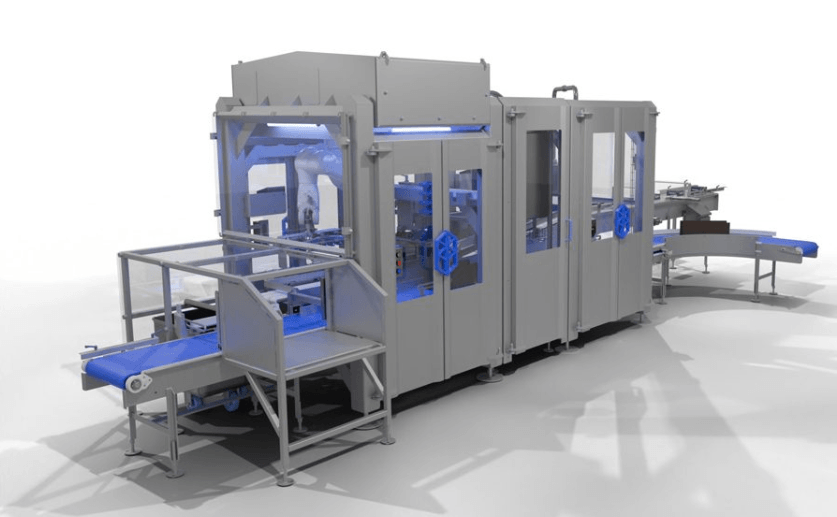
An automated case packer allows manufacturers to improve production efficiency by automating repetitive packaging tasks with high precision. These systems can pack bottles, cartons, pouches, cans, jars, and other products into shipping cases at remarkable speeds while minimizing product handling errors.
Manufacturers that operate high-output facilities require packaging equipment capable of working continuously with minimal downtime. Automated systems provide consistent performance while supporting lean manufacturing initiatives and operational scalability.
Why High-Volume Manufacturers Need Automated Case Packers
Large-scale production facilities process thousands of products every hour. Manual labor alone cannot sustain this level of demand efficiently. Automated case packing equipment is specifically engineered to support continuous production cycles while reducing operational inefficiencies.
One of the biggest advantages of implementing an automated case packer is the ability to maintain packaging consistency across large production volumes. Uniform case packing not only improves logistics efficiency but also strengthens product presentation and reduces transit damage.
In industries such as food processing, pharmaceuticals, and personal care manufacturing, packaging precision is essential for regulatory compliance and product safety. Automated machinery ensures repeatable accuracy that manual operations cannot consistently achieve.
Additionally, automation significantly reduces labor-intensive packaging tasks, allowing companies to allocate workforce resources to higher-value operational areas such as quality control, maintenance, and process optimization.
Improved Production Speed and Operational Efficiency
Manufacturers are constantly under pressure to maximize production output while lowering operational costs. Automated packaging systems help achieve both goals simultaneously.
Modern case packing equipment can process significantly more units per minute than manual packing teams. This increased speed improves overall equipment effectiveness and allows facilities to meet aggressive production schedules without compromising packaging integrity.
Facilities implementing an automated case packer often experience reduced bottlenecks at the end of the production line. Faster case loading and sealing operations improve workflow continuity and eliminate delays that commonly occur in manual packaging environments.
Advanced automation systems also integrate seamlessly with conveyor systems, robotic palletizers, labeling equipment, and warehouse automation technologies. This creates a synchronized packaging ecosystem that enhances operational efficiency from production to shipment.
Reducing Labor Costs and Human Error
Labor shortages and rising workforce expenses continue to challenge manufacturers worldwide. Automated packaging solutions help businesses reduce dependency on repetitive manual labor while improving workplace productivity.
Manual case packing operations are vulnerable to fatigue-related errors, inconsistent product placement, and packaging damage. An intelligent automated case packer eliminates these inconsistencies by performing repetitive tasks with precision and repeatability.
Automation also improves workplace safety by reducing physically demanding lifting and repetitive motion tasks. Employees are less exposed to packaging-related injuries, which can lower workplace compensation claims and improve overall operational safety standards.
By reducing labor-intensive processes, manufacturers can achieve a faster return on investment while improving long-term operational sustainability.
Supporting Multiple Product Configurations
Modern manufacturing facilities often produce a wide variety of product sizes and packaging formats. Flexible automation systems are essential for adapting to changing production requirements without extensive downtime.
An advanced automated case packer can accommodate multiple packaging styles, including wraparound cases, top-load cartons, side-load cases, and tray-style packaging. This flexibility allows manufacturers to quickly switch between product lines while maintaining production efficiency.
Industries with seasonal packaging demands or customized product configurations benefit significantly from adaptable automation technology. Quick changeover capabilities minimize downtime and improve manufacturing agility in competitive markets.
Enhanced Product Protection During Transit
Packaging quality directly impacts customer satisfaction and supply chain performance. Poorly packed products can shift during transportation, resulting in damage, leakage, or product loss.
Automated case packing equipment ensures precise product placement within shipping cartons, reducing movement during transit. A properly configured automated case packer helps manufacturers improve packaging integrity while minimizing costly returns and damaged inventory.
For fragile products such as glass bottles, pharmaceutical containers, and electronics, consistent packing accuracy is critical. Automated systems maintain exact positioning and spacing to protect products throughout distribution channels.
Improved packaging consistency also enhances warehouse stacking stability and logistics efficiency, reducing transportation risks across the supply chain.
Integration with Smart Manufacturing Technologies
Industry 4.0 has transformed manufacturing operations through connected automation, real-time monitoring, and data-driven decision-making. Modern packaging systems are designed to integrate with advanced factory management technologies.
An intelligent automated case packer can connect with programmable logic controllers, machine vision systems, robotic automation platforms, and enterprise resource planning software. These integrations provide manufacturers with valuable production insights and performance analytics.
Real-time monitoring capabilities allow operators to track packaging speed, downtime, efficiency metrics, and maintenance schedules. Predictive maintenance features help prevent unexpected equipment failures and improve production reliability.
Smart automation also supports remote diagnostics and process optimization, helping manufacturers maintain continuous operational performance in highly competitive industries.
Sustainability Benefits of Automated Packaging
Sustainability has become a major priority for manufacturing companies seeking to reduce environmental impact and improve operational efficiency. Automated packaging systems contribute to sustainable manufacturing initiatives in several ways.
A high-performance automated case packer optimizes packaging material usage by maintaining accurate carton dimensions and reducing material waste. Consistent packing patterns also improve shipping efficiency by maximizing pallet utilization and reducing transportation emissions.
Automation minimizes product damage and packaging defects, which reduces wasted inventory and unnecessary material consumption. Energy-efficient automation technologies further support environmentally responsible manufacturing practices.
Companies investing in sustainable packaging operations often strengthen their brand reputation while reducing operational costs associated with waste management and product returns.
Industries Benefiting from Automated Case Packing
Automated case packing systems are widely used across multiple manufacturing sectors due to their versatility and operational advantages.
Food and beverage manufacturers use automation to package bottles, cans, frozen foods, snacks, and dairy products efficiently. Pharmaceutical companies rely on automated systems for precise and hygienic packaging operations. Consumer goods manufacturers use case packers to improve throughput for personal care products, household items, and retail packaging.
In logistics-intensive industries, an automated case packer supports faster distribution and order fulfillment while maintaining packaging consistency across large production volumes.
As global manufacturing continues to evolve, automation will remain a key factor in maintaining production competitiveness and operational scalability.
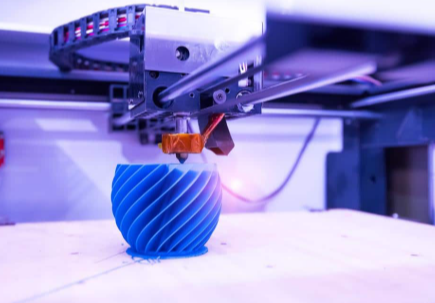
See also: 3D Printing in Tech: More Than Just Prototypes
Choosing the Right Automated Case Packer
Selecting the right packaging solution requires careful evaluation of production requirements, product dimensions, packaging formats, and facility layout. Manufacturers should prioritize automation systems that provide scalability, reliability, and integration flexibility.
A high-quality automated case packer should deliver consistent performance, easy maintenance access, rapid changeover functionality, and compatibility with existing production infrastructure.
Manufacturers should also evaluate supplier expertise, after-sales support, system customization capabilities, and long-term operational efficiency before making an investment decision.
Choosing the right automation partner ensures successful implementation and maximizes the long-term value of packaging automation technology.
Future Trends in Automated Case Packing
The future of manufacturing automation will continue to focus on intelligence, flexibility, and efficiency. Robotics, artificial intelligence, and machine learning technologies are expected to play an increasingly important role in packaging operations.
Next-generation automated case packer systems will likely feature enhanced machine vision capabilities, autonomous adjustments, predictive analytics, and greater production adaptability.
Collaborative robotics and advanced data analytics will further improve packaging efficiency while enabling manufacturers to respond quickly to changing market demands.
As consumer expectations and production demands continue to increase, automated packaging solutions will remain essential for companies seeking operational excellence and sustainable growth.
Conclusion
Manufacturers operating in high-volume production environments require packaging solutions that deliver speed, consistency, flexibility, and long-term operational efficiency. An automated case packer provides all these advantages while helping businesses reduce labor costs, improve packaging quality, and support scalable manufacturing operations.
From improving workflow efficiency to enhancing product protection and integrating with smart manufacturing systems, automated case packing technology has become a critical investment for modern production facilities.
Companies that adopt advanced packaging automation today position themselves for stronger productivity, improved profitability, and long-term competitive success in an increasingly demanding industrial landscape.
FAQs
What is an automated case packer?
An automated case packer is a packaging machine designed to automatically load products into shipping cases or cartons with minimal human intervention. It improves packaging speed, accuracy, and production efficiency.
Which industries use automated case packers?
Industries including food and beverage, pharmaceuticals, cosmetics, consumer goods, electronics, and logistics commonly use automated case packing systems for high-volume production operations.
How does an automated case packer improve efficiency?
It increases production speed, reduces manual labor, minimizes packaging errors, and maintains consistent packaging quality throughout the manufacturing process.
Can automated case packers handle different product sizes?
Yes, modern automated case packers are designed with flexible configurations that support multiple product dimensions, packaging styles, and case formats.
Is investing in automated packaging equipment cost-effective?
Yes, automated packaging systems help reduce labor costs, improve operational efficiency, minimize product damage, and deliver long-term return on investment for manufacturers.