In a world where energy efficiency and smart technology are increasingly important, dusk-to-dawn light sensors have emerged as a practical solution for residential and commercial lighting needs. These innovative devices automatically turn lights on at sunset and off at sunrise, making them ideal for outdoor spaces, security lighting, and pathways. In this article, we’ll explore the benefits of dusk to dawn light sensor, how they work, their applications, and tips for selection and installation.
Understanding Dusk-to-Dawn Light Sensors
Dusk-to-dawn light sensors utilize photodetectors to sense ambient light levels. When the surroundings become dark, these sensors trigger the connected lights to turn on automatically. Conversely, when daylight returns, the sensors turn the lights off. This automation eliminates the need for manual operation and ensures that your spaces are well-lit when needed.
How Dusk-to-Dawn Sensors Work
Dusk-to-dawn sensors operate using a simple, effective mechanism. They contain a photocell that detects light levels. When the light level falls below a predetermined threshold—commonly at sunset—the sensor activates, allowing electrical current to flow to the light source. As natural light increases at dawn, the photocell detects this change and interrupts the current, turning the lights off.
Energy Efficiency
One of the primary advantages of dusk-to-dawn light sensors is energy efficiency. By ensuring lights are only on when necessary, these sensors help reduce energy consumption. This not only lowers electricity bills but also contributes to environmental sustainability. With energy costs rising, equipped with dusk-to-dawn sensors, homeowners and business owners can significantly cut down on energy waste.
Enhanced Safety and Security
Dusk-to-dawn light sensors enhance the safety and security of your home or business. Well-lit outdoor areas deter intruders, making your property less appealing to unauthorized visitors. By ensuring that pathways, driveways, and entrances are illuminated at night, these sensors reduce the risk of accidents due to tripping or stumbling in the dark.
Convenience
Imagine coming home late at night to a brightly illuminated driveway and entryway without having to fumble for a switch or key. Dusk-to-dawn sensors provide this level of convenience, offering peace of mind that your outdoor spaces are always lit when needed. This automation is particularly beneficial for those with mobility challenges, ensuring that lighting is one less thing to worry about.
Applications of Dusk-to-Dawn Light Sensors
Dusk-to-dawn light sensors are versatile and can be used in various settings. Here are a few applications:
1. Outdoor Lighting
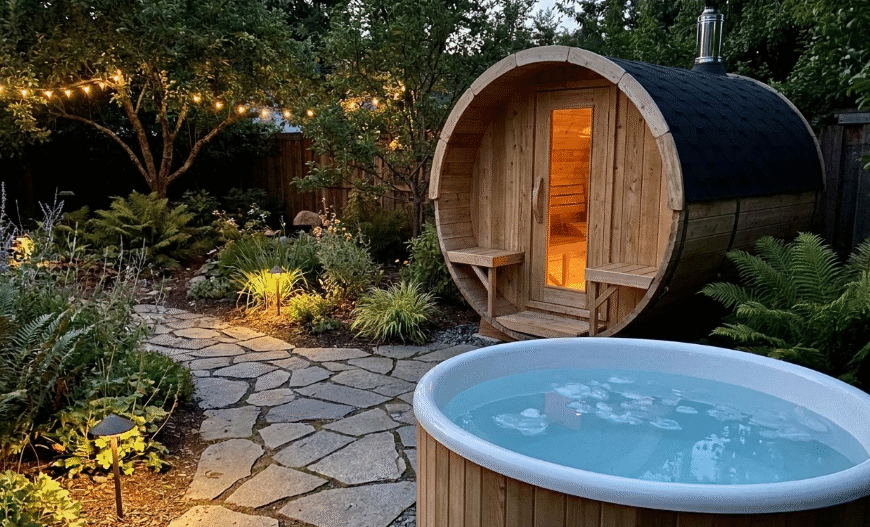
These sensors are commonly used for outdoor landscape lighting, ensuring gardens, yards, and patios are always illuminated at night. They can also enhance the overall aesthetic of your property by beautifully highlighting landscaping features and architectural elements.
2. Security Lighting
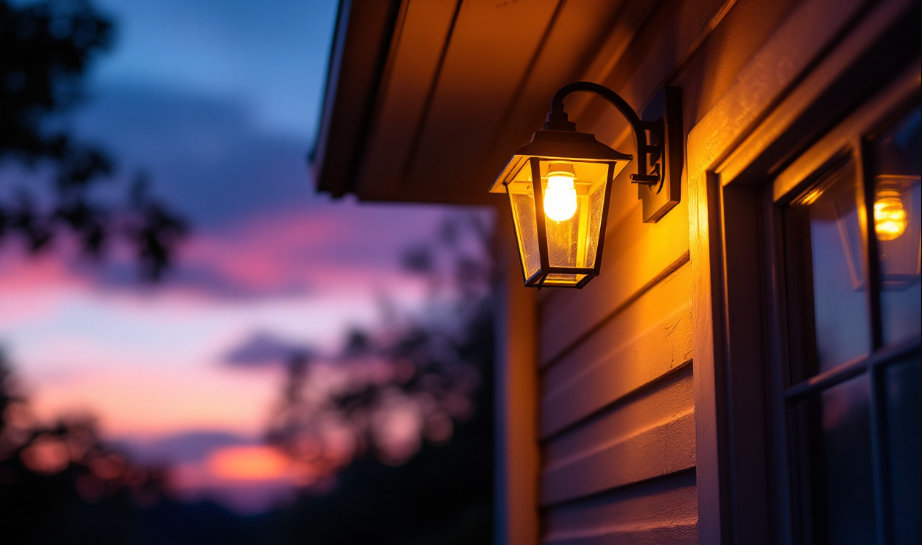
For security purposes, dusk-to-dawn sensors can be installed with floodlights, spotlights, or wall-mounted lights around entry points, garages, and driveways. This proactive approach provides a well-lit perimeter, effectively deterring potential intruders.
3. Street and Parking Lot Lighting
Many municipalities use dusk-to-dawn sensors for street and parking lot lights. By automating these fixtures, cities can ensure public safety during nighttime hours while conserving energy during the day when the lights are not needed.
4. Floodlights for Commercial Spaces
Businesses can benefit significantly from dusk-to-dawn sensors. These devices are particularly useful for lighting parking lots or outdoor sales areas, ensuring that customers feel safe and secure at all hours of operation.
See also: Why Electric Roof Windows Are the Future of Smart Home Living
Selecting the Right Dusk-to-Dawn Light Sensor
When choosing a dusk-to-dawn light sensor for your property, several factors should be considered:
1. Type of Sensor
There are two primary types of dusk-to-dawn sensors: built-in and standalone. Built-in sensors are integrated into light fixtures, while standalone sensors can be added to existing light fixtures. The choice depends on your specific lighting needs and preferences.
2. Sensitivity Adjustment
Some sensors offer adjustable sensitivity settings, allowing you to customize the threshold for activating the lights. This feature can be beneficial in areas with excessive ambient light during the evening, such as streetlights, ensuring that your lights only activate when truly necessary.
3. Durability and Weather Resistance
Since these sensors are often installed outdoors, it’s crucial to select a weather-resistant model. Look for products rated for outdoor use, with features such as moisture resistance and UV protection to ensure longevity.
4. Compatibility
Ensure that the dusk-to-dawn sensor you choose is compatible with your existing lighting system. Check specifications regarding power requirements and the type of light source (LED, incandescent, etc.) to guarantee optimal performance.
Installation Tips
Installing dusk-to-dawn light sensors is generally straightforward; however, here are some tips to ensure optimal functionality:
1. Choose the Right Location
When installing outdoor lights equipped with sensors, position them where they can accurately detect ambient light. For example, avoid placing sensors in shadowy areas created by large structures, as this may cause the lights to malfunction.
2. Follow Manufacturer Guidelines
Always refer to the manufacturer’s instructions for installation. Proper wiring and setup are crucial to ensure that the sensor functions correctly and safely.
3. Test the Sensor
After installation, test the sensor to ensure it activates at dusk and deactivates at dawn. If it doesn’t work as expected, check the sensitivity settings and make necessary adjustments.
Conclusion
Dusk-to-dawn light sensors offer a modern, efficient solution for outdoor lighting that enhances security, convenience, and energy efficiency. Their automated functionality helps illuminate your property precisely when needed, creating a safer environment without unnecessary energy waste.
As you consider upgrading your lighting systems, incorporating dusk-to-dawn sensors will not only streamline your outdoor lighting experience but also elevate your home’s safety and aesthetic appeal. With various applications and options available, these sensors present a smart investment for anyone looking to enhance their nighttime environment. Illuminate your spaces the smart way, and embrace the benefits of dusk to dawn light sensor today!