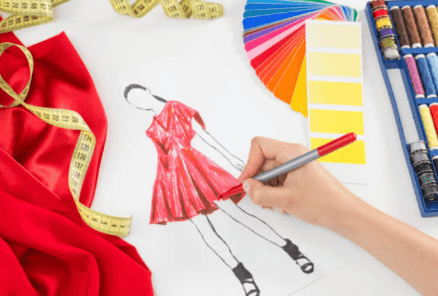
In the traditional fashion hierarchy, the hand-drawn sketch has always been the “soul” of a collection. It captures the movement, the mood, and the artistic intent that a technical blueprint often lacks. However, in the modern digital workflow, designers face a dilemma: high-fidelity 3D models are necessary for production, but they can sometimes feel too rigid for creative storytelling. The solution lies in the emerging “Art of AI Sketching.” By utilizing 3D to sketch technology, designers can now instantly transform their technical 3D assets back into fluid, professional fashion sketches.
Bridging the Gap Between Engineering and Artistry
The transition from a 3D garment to a sketch represents a “reverse-engineering” of the creative process. While the 3D model ensures that the garment fits and drapes correctly, the AI-generated sketch ensures it communicates the right aesthetic message. This bridge allows designers to maintain technical accuracy without losing the artistic flair that defines high fashion.
1. Maintaining Proportional Integrity
One of the biggest challenges in manual sketching is maintaining consistent proportions. When the AI converts a 3D model into a sketch, it uses the underlying 3D data to ensure that every fold, seam, and hemline is placed perfectly. The result is an illustration that looks like a masterpiece but is rooted in a buildable reality.
2. Capturing Dynamic Movement
Fashion is lived in motion, and capturing that energy in a drawing is a specialized skill. AI sketching tools can take a 3D avatar in a complex catwalk pose and instantly translate that posture into a series of expressive lines. This allows designers to showcase their work in a variety of dynamic “action shots” that would take hours to draw by hand.
Enhancing Professional Presentations and Lookbooks
In 2026, the quality of a digital presentation can make or break a deal with a buyer or a creative director. AI sketching provides a versatile toolkit for elevating these interactions:
- Uniform Aesthetic: Whether you have one garment or a hundred, the AI applies a consistent “artistic hand” to the entire collection. This creates a cohesive look for portfolios and digital lookbooks.
- Mood Adaptation: Designers can adjust the “vibe” of the sketch instantly. From minimalist architectural line art to soft, charcoal-style shading, the AI allows the illustration to match the specific “story” of the season.
- Rapid Revision: If a design is updated in the 3D studio—for example, changing a sleeve length or adding a ruffle—the corresponding sketch can be re-generated in seconds, ensuring that marketing materials are always up to date.
The Business Case: Speed, Cost, and Scalability
Beyond the aesthetics, the shift to AI-powered sketching is a strategic operational move.
Slashing Marketing Lead Times
Traditionally, creating a high-quality lookbook required a physical photoshoot or a professional illustrator, both of which take weeks. By converting 3D models into sketches, brands can generate sophisticated marketing collateral long before the first physical garment is even manufactured.
Empowering Independent Designers
The “Art of AI Sketching” democratizes professional illustration. Smaller labels that may not have the budget for a dedicated art department can now produce world-class visuals that rival major luxury houses. It levels the playing field, allowing creativity and vision to be the primary drivers of success.
Sustainability: The Digital Blueprint
Every step moved to a digital workflow is a step toward a greener industry. By utilizing 3D-to-sketch technology for early-stage feedback and “social media testing,” brands can gauge consumer interest without ever touching a piece of fabric. This “digital validation” ensures that only the most popular designs move into physical production, drastically reducing the industry’s issue with overstock and waste.
See also: 3D Printing in Tech: More Than Just Prototypes
The Future of the Fashion Illustrator
The rise of AI sketching doesn’t replace the artist; it changes their role. The modern illustrator is now a “Curator of Style,” using AI to handle the technical drafting while they focus on the high-level creative direction, color theory, and emotional resonance of the collection. It is a synergy where human taste meets machine speed.
Conclusion
The evolution of fashion design is a journey from the abstract to the concrete and back again. By mastering the ability to instantly convert 3D to sketch, designers are reclaiming the artistic heritage of their craft while embracing the efficiency of the future.
In a market that demands both technical perfection and artistic soul, AI sketching is the ultimate bridge. Your 3D models provide the structure; let the art of AI sketching provide the story. The future of fashion illustration isn’t just about drawing lines—it’s about transforming data into digital art.