Most floor finishers know one or two DuraSeal products well and fill in the gaps as jobs come up. That works until a project demands something outside the usual routine, or a client wants a specific result that requires a different approach. Knowing the full line before picking up a brush means fewer surprises on the job and better outcomes on the floor. What follows is a practical breakdown of the complete DuraSeal range, what each product is designed to do, and how experienced contractors put the system together.
Setting the Color: DuraSeal Stains
Color goes down first, and getting it right sets the tone for everything that follows. DuraSeal’s stain line is purpose-built for bare hardwood, with formulas designed to penetrate the wood fiber rather than film on top of it.
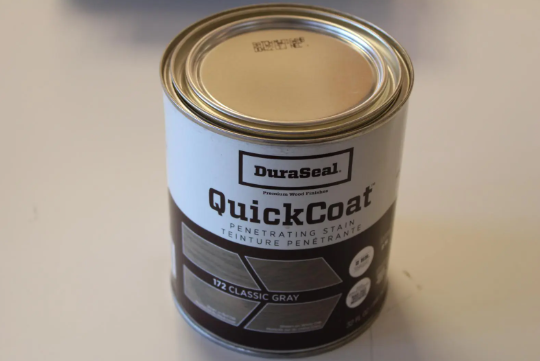
Quick Coat Penetrating Stain
Quick Coat is the cornerstone of the DuraSeal line. The oil-based formula penetrates open-grain species effectively, delivering consistent color without blotching on species that absorb unevenly. Available in a wide color range, Quick Coat can also be intermixed to produce custom shades on scrap wood from the same species before committing to the full floor.
Field Note: Sanding to 80 grit before staining opens the grain enough for even penetration. Wiping off the excess before it dries prevents lap marks, and the technique matters more on large open floors where streaks are harder to fix once the stain has set.
Water-Based Stain
For projects where VOC limits, faster dry time, or indoor air quality are on the specification, DuraSeal’s water-based stain is the alternative. Key points contractors should know before using it:
- Color depth runs slightly lighter than oil-based equivalents
- Grain is raised during application, requiring a light sanding before the first sealer coat
- Dry time is faster, which affects scheduling on multi-coat jobs
- Color result is more sensitive to surface prep and sanding grit than oil-based stain
See also: Publishing on Demand: A Modern Approach to Bringing Your Ideas to Life
Locking In the Surface: DuraSeal Sealers
Sealers go down after stain. Their job is to penetrate the wood fiber, stabilize the color, and create a foundation that finish coats bond to reliably.
Oil Modified Sealer
DuraSeal’s oil-modified sealer penetrates deeply while offering a faster dry window than traditional oil-based products. Applied over stain or bare wood, the sealer locks down color and prevents topcoat contamination. Oil-modified sealers add warmth and amber tone to the floor, which is worth factoring in when working with species where preserving a cooler, more natural tone is part of the design intent.
Water-Based Sealer
Water-based sealer dries water-clear, preserving the natural tone of the wood without the warmth associated with oil-modified products. Dry time is faster, VOC levels are lower, and the product is the right choice when a clear, cooler result is the goal. Careful application technique is required on open-pored species where grain-raising and streaking can occur if the product is applied too wet.
Building the Wear Layer: DuraSeal Finish Coats
The finish coats are what protect the floor in use. The quick-reference table below shows how the main DuraSeal topcoat options compare across key performance factors.
| Finish Type | Sheen | Dry Time | Amber Tone | Best For |
| Oil Modified Polyurethane | Matte to semi-gloss | Longer | Yes | Most residential hardwood |
| Water-Based Polyurethane | Matte to gloss | Faster | Minimal | Light species, contemporary interiors |
| Swedish Formula | Gloss | Moderate | Minimal | High-traffic commercial and premium residential |
Oil Modified Polyurethane
The oil-modified polyurethane is the standard finish for contractors who want proven durability and straightforward application. The formula cross-links during cure to produce a hard, abrasion-resistant film that performs well under residential and moderate commercial traffic.
Key application points:
- Apply thin, even coats to avoid runs and wrinkling on thick applications
- Maintain adequate ventilation throughout application and the full cure window
- Wait for the full recoat window between coats to maintain inter-coat adhesion
- Screen with 180-grit between coats for mechanical adhesion
Water-Based Polyurethane
The water-based option dries water-clear, making it the preferred choice on light species where preserving the natural color is part of the design intent. Dry time is significantly faster than oil-modified, which allows tighter scheduling and faster return-to-service. The precision required is higher: overlapping wet edges carefully prevents lap marks, and three to four coats are standard since the product builds less quickly than oil-based.
Swedish Formula
The Swedish Formula is DuraSeal’s acid-cure conversion varnish, designed for applications where maximum hardness and abrasion resistance are required. Commercial installations and specifications calling for long service intervals between refinishing cycles are the natural use cases. The two-component system requires mixing a catalyst before application, and proper respiratory protection and ventilation are essential throughout.
Maintenance and Specialty Products
Beyond the core stain and finish system, two DuraSeal specialty products address specific conditions that come up on professional jobs.
Renovator
Renovator is a maintenance product for floors that show wear but have not worn through to raw wood. Applied to a clean, lightly abraded surface, Renovator restores sheen and adds a protective layer without a full sand-and-coat process. It suits contractors offering annual maintenance programs well.
Paste Wax
DuraSeal’s paste wax is formulated for floors finished with penetrating oil or traditional wax systems, and should never be applied over polyurethane. On floors with an existing wax system, DuraSeal wax maintains the sheen without the build-up associated with repeated topcoat applications.
Stacking the System: Which Products Go Together
Most jobs call for a three-product stack: stain, sealer, and finish. The choice of oil-modified or water-based at each stage determines the color result, the schedule, and long-term performance.
Oil-Modified Stack
An oil-modified stack using Quick Coat, oil-modified sealer, and oil-modified polyurethane produces a warm, amber-toned result with proven durability. Dry times are longer, but the system is forgiving across a wide range of application conditions. Best suited for:
- Red oak, hickory, and species where warmth and amber tone are part of the design intent
- Projects where application conditions are variable or less controlled
- Contractors who want a system with longer open time and more margin for error
Water-Based Stack
A full water-based stack delivers a cooler, more natural look with faster return-to-service. This suits light species, contemporary interiors, and projects where VOC limits apply. Best suited for:
- Maple, ash, and lighter oak where preserving the natural tone matters
- Tight scheduling and fast return-to-service requirements
- Environments with low VOC specifications or sensitive occupants
Mixing Oil and Water
Some contractors use an oil-modified stain with a water-based topcoat. The combination works, but requires the oil-modified stain to be fully cured before the water-based product goes down. A 24- to 48-hour cure window between the two is standard practice, though humidity and temperature on the job site affect that window considerably.
Testing adhesion on a sample area before committing to the full floor is the recommended approach when using this combination for the first time.
FAQs
Can DuraSeal Stains Be Intermixed?
Yes. Quick Coat penetrating stains can be intermixed to create custom colors. Testing on scrap wood from the same species before applying to the full floor is standard practice, since color results depend on species, grain porosity, and the sanding grit used.
How Long Before a DuraSeal-Finished Floor Can Take Traffic?
Light foot traffic is generally possible 24 hours after the final coat of oil-modified polyurethane under standard conditions, with full cure taking 5 to 7 days. Water-based products allow light traffic sooner, but full cure and furniture placement still require the same 5 to 7-day window. Heavy rugs should stay off the floor for at least two weeks.
Can Water-Based Topcoats Go Over DuraSeal Oil-Based Stain?
Yes, provided the oil-based stain has fully cured. A minimum of 24 to 48 hours under standard conditions is the guideline, with higher humidity or lower temperatures extending that window. Testing adhesion on a sample area first is recommended when using this combination for the first time.
Takeaway
Understanding the full range of DuraSeal products before a job, rather than reaching for the familiar default on every project, gives contractors more options and better results. The system is built to work together from stain through topcoat, and selecting the right products at each stage for the specific floor, species, and application conditions is where professional results begin.
Rustic Wood Floor Supply can help contractors confirm product availability, review technical data sheets, and match the right finish system to the job. If the project calls for an oil-modified system on red oak or a water-based stain on a light maple floor, the right products and the expertise to go with them are available in store. Contractors can also request samples, compare finish options side by side, and talk through application questions before committing to a full order.
Read More: A Species-by-Species Guide to Wholesale Hardwood Flooring