When a commercial vehicle crosses the median, opposing traffic has seconds to react. A truck can enter oncoming lanes at highway speed, strike several vehicles, and scatter cargo across the roadway. The crash can cause severe injuries, blocked lanes, fires, and difficult questions about liability. Drivers and families need to know how the collision developed, which records matter, and what steps protect a claim. The first issue is identifying how the crossover began.
A median crossover often starts with a loss of control, a tire failure, driver fatigue, an unsafe pass, or a vehicle defect. The commercial vehicle then crosses a barrier or open median and enters opposing lanes. That sudden movement creates catastrophic wrecks because passenger vehicles have little room to brake, steer, or avoid impact.
The First Seconds After The Crossover
A truck crossing the median can hit vehicles traveling in opposite directions. Its height and weight increase the force transferred during impact, especially when a passenger vehicle slides beneath the trailer.
Cargo creates additional hazards after the first collision. Boxes, equipment, fuel, or construction materials can strike nearby vehicles and block escape routes. A damaged fuel tank can create a fire risk.
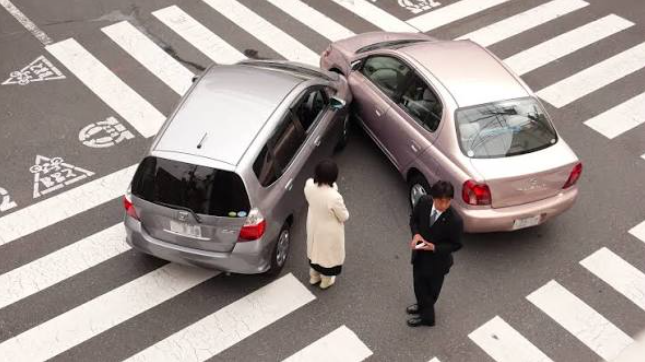
The crash often produces several impact points. One vehicle might be hit by the tractor, pushed into another lane, and struck again by following traffic. Each impact requires separate review during the investigation.
Why The Damage Spreads
Commercial vehicles need more distance to stop than passenger cars. Braking distance increases with speed, cargo weight, road grade, and pavement conditions.
A truck entering opposing traffic also creates a visibility problem. Drivers approaching the median cannot always see the vehicle before a barrier, curve, or traffic queue blocks their view.
Secondary crashes happen when motorists brake suddenly or swerve into nearby lanes. Emergency crews then face blocked shoulders, scattered debris, and damaged guardrails as they reach injured occupants.
See also: Simplify Global Payments With A SWIFT Code Checker
Evidence That Explains The Crash
Investigators examine the roadway, vehicle damage, tire marks, barrier damage, traffic signals, and weather conditions. Photographs should capture the full scene before vehicles or debris move.
Electronic data can clarify speed, braking, steering input, and other vehicle actions. Commercial trucks often contain event data recorders, onboard cameras, dispatch records, and electronic logging information.
Witness accounts can explain what happened before the crossover. Drivers should record names and contact information, while investigators should identify nearby cameras before footage gets overwritten.
The vehicle itself contains evidence. Inspect tires, steering parts, brakes, lights, and cargo restraints before repairs or disposal. Preserving damaged parts prevents later disputes about mechanical failure.
How Fault Is Examined
Fault depends on the driver’s actions, the vehicle’s condition, and the conduct of other parties. Investigators review speeding, distraction, fatigue, impairment, unsafe lane changes, and following distance.
A trucking company can face questions about hiring, training, maintenance, loading, supervision, and scheduling. A repair facility or cargo loader may also be relevant if a defective part or unsecured load contributed.
State law controls how fault affects compensation. Some states reduce damages according to each party’s share of responsibility, while others restrict recovery when an injured person contributed to the crash.
Insurance claims require careful review because commercial policies often involve higher limits and multiple coverage layers. A victim should avoid guessing about fault or giving a recorded statement before reviewing the available evidence.
What Injured Drivers Should Do
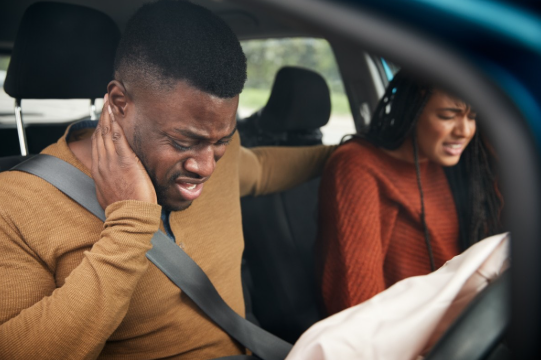
Anyone involved should call 911, request medical care, and follow emergency instructions. Some serious injuries appear hours later, so medical documentation should begin as soon as possible.
Photographs should show vehicle positions, road markings, median damage, debris, lighting, and visible injuries. Drivers should collect insurance and contact details without arguing about responsibility.
Keep the crash report, medical records, repair estimates, wage records, and insurer communications together. A written timeline can preserve details that become harder to recall after treatment or medication.
An attorney can send preservation requests for driver logs, camera footage, inspection records, maintenance files, and electronic data. Early action matters because physical evidence changes, video systems overwrite files, and damaged vehicles enter repair channels.
Conclusion
A commercial vehicle crossing the median creates a chain of impacts that requires more than a basic accident report. The cause could involve driving behavior, road conditions, mechanical failure, cargo loading, or company practices. Injured people should seek medical care, photograph the scene, preserve communications, and avoid statements that speculate about fault. The next practical step is to organize every record and request preservation of vehicle and company evidence before it disappears.