Long-term support for a child living with cerebral palsy changes with growth, health status, and daily demands. Early childhood brings feeding, posture, and movement concerns. School years add learning, mobility, and social pressures. Adolescence raises questions about pain, puberty, independence, and future planning. Effective care stays flexible, closely monitors function, and links medical treatment with home life, education, emotional health, and steady community involvement.
Early Signs
Early support often begins when families or clinicians notice delayed motor control, unusual muscle tone, persistent reflexes, or feeding strain. Close attention to developmental delays in children with cerebral palsy also matters, because speech, play skills, self-care, and learning can shift with time. Prompt evaluation helps children reach therapy, adaptive equipment, and school services before secondary strain, frustration, or preventable loss of function takes hold.
Therapy Rhythm
Therapy works best when practice carries into dressing, meals, floor play, and movement through the home. Short, repeatable tasks usually support motor learning better than exhausting drills. Physical, speech, and occupational goals should match the child’s actual routines. Regular review is essential because growth can change muscle strength, joint alignment, hand use, swallowing safety, and communication needs within a short period.
School Access
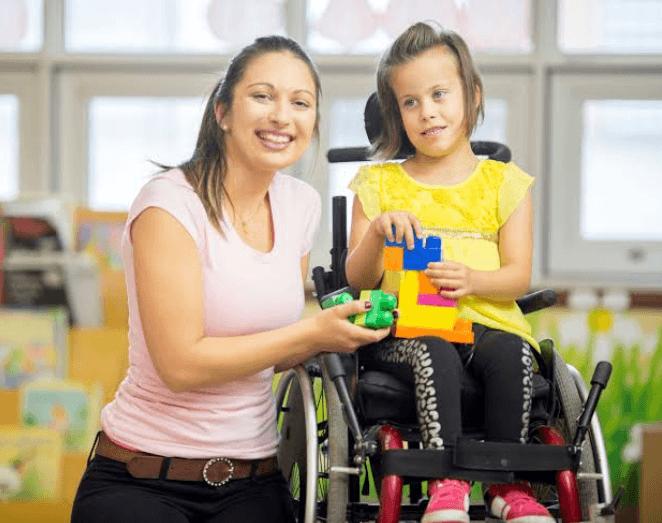
School support should address participation, not simple placement. Some children need adaptive seating, writing aids, communication devices, or extra transition time between rooms. Teachers, parents, and therapists should share practical goals with clear updates. Good planning helps the child join class discussion, lunch, field trips, and group work while reducing barriers that can limit attention, comfort, or confidence during the day.
Home Adaptations
Home setup shapes energy use, safety, and independence every single day. Stable seating, grab bars, open walking paths, and well-placed storage can reduce strain during transfers and personal care. Bathrooms and bedrooms need careful review, because lifting and repositioning often happen there. Yearly reassessment helps families adjust routines before growth, fatigue, or joint stiffness turns a manageable task into a painful one.
Health Monitoring
Cerebral palsy affects more than movement, so follow-up must stay broad. Children may experience pain, reflux, constipation, sleep disruption, seizures, hip displacement, or nutrition problems that need steady review. Regular monitoring helps teams catch subtle changes before they become harder to manage. Accurate records also support timely decisions about medication, orthotics, feeding plans, mobility aids, and referral for imaging or specialist assessment.
Emotional Health
Emotional well-being deserves the same careful attention as muscle tone or gait. Some children become discouraged when routine tasks require extra effort or visible assistance. Others react to low expectations, social exclusion, or repeated medical visits. Honest conversation, patient listening, and real choices can support confidence. Counseling may help when pain, bullying, isolation, or anxiety begins to affect mood, sleep, or behavior.
Family Planning
Long-term care depends heavily on family capacity. Caregivers often coordinate appointments, transportation, equipment, school paperwork, and overnight routines while protecting work income and household stability. That pressure can build slowly, then show up as exhaustion or missed care. Respite help, trusted relatives, and support groups can ease the load. Financial planning also matters, because braces, travel, home changes, and lost hours carry real cost.
Teen Years
Adolescence changes both the body and the care plan. Puberty can affect tone, fatigue, weight distribution, and mobility, which may shift therapy goals or equipment needs. Teenagers also need room to discuss privacy, friendships, body image, and pain without feeling managed at every step. Shared decision-making becomes important here. Learning to describe symptoms, ask questions, and handle medications supports confidence in adult care settings.
Adult Transition
Transition planning should begin well before school services end. Young adults may need new physicians, vocational guidance, college accommodations, transportation training, or housing support. Written records should stay clear, current, and easy to share across systems. Early preparation lowers stress for families and clinicians alike. Without a strong handoff, gaps can appear in therapy access, equipment approval, prescription management, or specialist follow-up after graduation.
Community Ties
Children do better when support reaches beyond clinics and classrooms. Recreation programs, libraries, arts groups, faith communities, and neighborhood events can widen friendships and reduce social isolation. Participation should not depend on perfect access from day one. Repeated inclusion helps children build confidence and routine. It also helps peers, staff, and neighbors see the child as a whole person, rather than a diagnosis.
Conclusion
Long-term support for a child living with cerebral palsy is an ongoing clinical and practical process, not a fixed plan. Needs change with growth, school demands, emotional development, and physical health. Children usually do better when adults respond early, communicate clearly, and adjust care before small problems deepen. With thoughtful therapy, medical follow-up, family support, and meaningful inclusion, daily life can become safer, fuller, and more independent.