Welding looks controlled from the outside, steady hands, bright arcs, sparks flying with purpose. But behind that rhythm, safety mistakes quietly build up. Many welders don’t ignore protection on purpose; they simply repeat habits they’ve seen for years. Over time, those habits turn into risks.
This article breaks down nine common protective-equipment mistakes welders make, why they happen, and how to fix them. Think of it as a practical guide drawn from real shop floors, not rulebooks.
1. Trusting Old Habits Instead of Updated Safety Standards
Many welders learn on the job, picking up techniques from seniors. While experience matters, safety standards evolve for a reason. Materials change, risks get better understood, and protective equipment improves.
Relying on “this is how we’ve always done it” can leave gaps in protection. Regularly reviewing updated guidelines and reassessing gear is one of the simplest ways to stay ahead of preventable injuries.
2. Using One Helmet for Every Type of Job
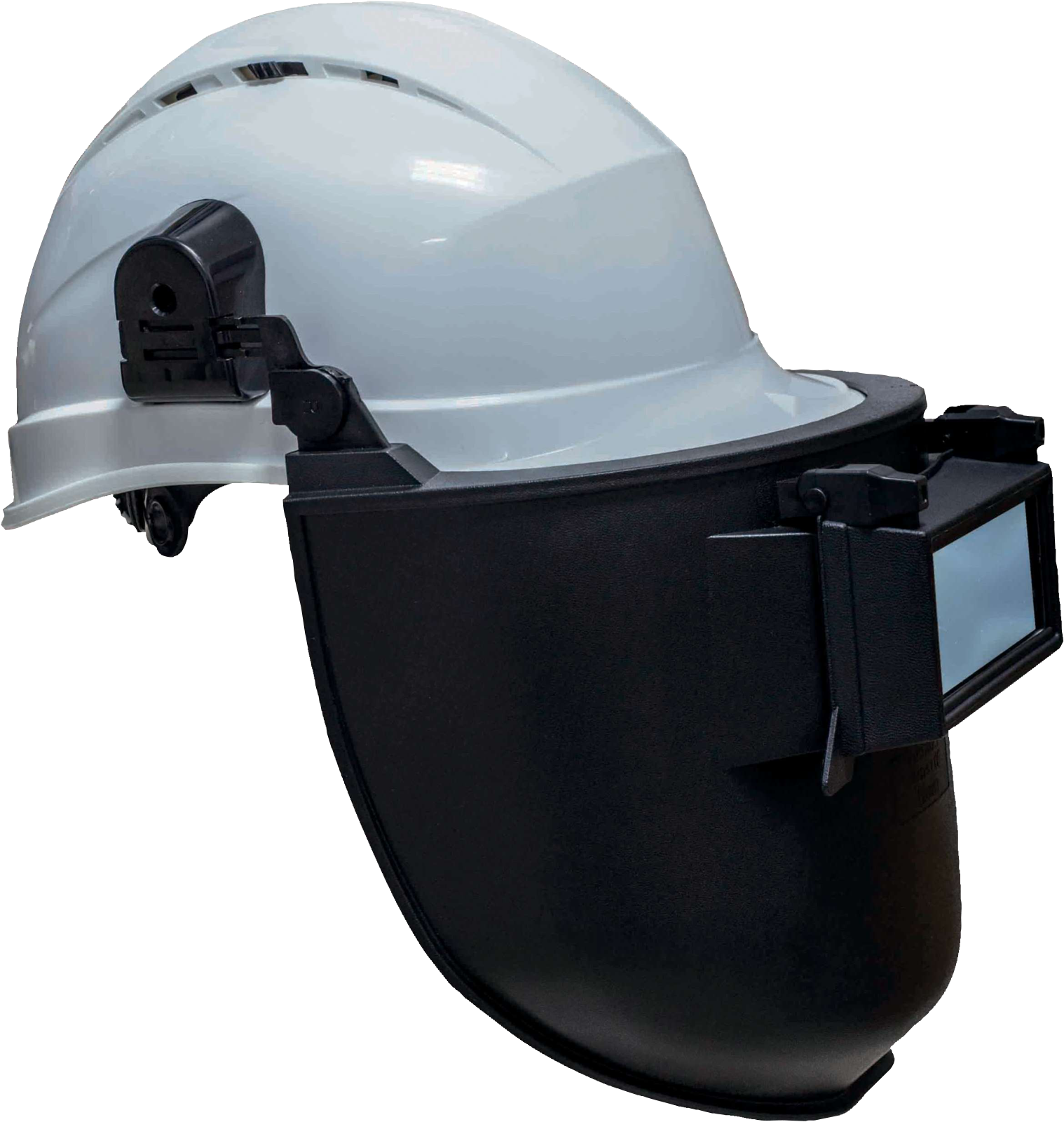
Not all welding jobs are the same. TIG, MIG, arc, and plasma cutting expose welders to different light levels, heat, and debris. Yet many workers use the same welding helmet for every task without checking shade levels or lens suitability.
A helmet that works fine for one process may strain eyes or reduce visibility in another. Matching the helmet’s specifications to the job protects vision and improves weld quality at the same time.
3. Ignoring Comfort Until It Becomes a Problem
Uncomfortable gear doesn’t just feel annoying, it leads to shortcuts. A helmet that’s too heavy or poorly balanced causes neck strain. Gloves that limit movement get removed “just for a minute.”
Over time, these small compromises turn into habits. Proper fit, balanced weight, and adjustable components matter because they keep protection on for the full shift, not just the first hour.
4. Overlooking Eye Protection Under the Helmet
Some welders assume the helmet alone is enough. But flying particles, grinding sparks, and side exposure still pose risks when the visor is lifted.
Wearing safety glasses underneath adds a crucial backup layer. It protects eyes during setup, grinding, and inspection, moments when many eye injuries actually occur.
5. Failing to Inspect Gear Before Each Shift
Protective equipment wears down quietly. Cracked lenses, weakened headgear straps, or damaged coatings don’t always stand out until they fail.
A quick pre-shift check can catch issues early. It takes less than a minute and can prevent glare problems, sudden exposure, or complete equipment failure during active welding.
6. Choosing Darker Shades Than Necessary
There’s a common belief that darker always means safer. In reality, excessive shade reduces visibility and forces welders to adjust posture or lift the helmet repeatedly.
Using the correct shade allows clear vision of the weld pool without eye strain. Better visibility leads to cleaner welds and fewer awkward movements that strain the body.
7. Treating Head Protection as a Personal Item Only
In many workplaces, helmets are shared or swapped without proper adjustment. Headgear that isn’t set for the individual wearer can shift at the wrong moment.
Every welder should take time to adjust fit settings properly. Secure headgear ensures consistent coverage and reduces distractions during precision work.
8. Forgetting That Protection Needs Cleaning Too
Dust, fumes, and residue slowly coat protective gear. Dirty lenses reduce clarity. Sweat buildup weakens materials and creates discomfort.
Regular cleaning isn’t about appearance, it’s about function. Clear vision and well-maintained materials perform better and last longer, saving replacement costs over time.
9. Underestimating Long-Term Exposure Risks
Some dangers don’t show up immediately. Repeated exposure to light, fumes, and heat adds up over years. Welders sometimes accept mild discomfort as “part of the job,” ignoring gradual damage.
Consistently using the right welding helmet and related protection reduces cumulative strain on eyes, skin, and neck. Long-term safety is built through daily discipline, not one-time fixes.
Why Small Corrections Make a Big Difference
Most welding injuries aren’t dramatic accidents. They’re slow-building issues caused by repeated shortcuts. The good news? They’re also the easiest to prevent.
Simple actions, adjusting fit, choosing the right shade, inspecting gear can significantly reduce risk without slowing work. Safety doesn’t have to feel restrictive when equipment is designed and used properly. Consistently following these safety habits not only protects your health but also improves efficiency and confidence on the job. When welders feel secure and comfortable in their gear, they can focus fully on precision and technique, producing higher-quality work with fewer errors. Over time, these small, daily precautions create a culture of safety that benefits everyone on the shop floor, reducing downtime and fostering long-term career sustainability.
Building a Safer Welding Routine
Creating safer habits doesn’t require retraining from scratch. It starts with awareness. Ask simple questions at the start of each shift:
- Is my vision clear?
- Does my gear fit correctly today?
- Am I protected during non-welding tasks like grinding?
These checks become second nature over time and quietly raise safety standards across the entire workspace.
Conclusion
Protective equipment works best when it’s treated as part of the craft, not an afterthought. By avoiding these common mistakes, welders protect not only their health but also their skill, focus, and long-term careers. For those looking to explore modern protective solutions and learn more about evolving safety practices, resources available at Delta Plus offer useful insights without overwhelming the reader.
Delta Plus is a leading global provider of personal protective equipment and safety solutions, trusted by professionals across industries. They specialize in designing gear that combines safety, comfort, and durability, ensuring workers are protected without compromising on usability. Their products range from welding helmets to full-body protective equipment, tailored for demanding work environments. The company emphasizes innovation, regularly updating designs to meet modern safety standards and evolving workplace challenges. With a strong commitment to quality, Delta Plus ensures every piece of equipment undergoes rigorous testing before reaching the user. Their educational resources and guides help welders and safety officers make informed decisions, promoting safer work practices. By blending technology, expertise, and practical insight, Delta Plus continues to support safer, more efficient workplaces worldwide.