Becoming a new homeowner is an exciting milestone — but it also comes with responsibilities. One of the biggest challenges many homeowners face is water damage. It’s a silent threat that can slowly ruin your property if ignored. From leaky pipes and faulty seals to poor drainage and roof leaks, water can find its way into your home in many unexpected ways. Learning how to identify risks early and taking simple preventive measures can save you from costly repairs down the road. If you’re unsure where to start, Click here for expert advice and essential bathroom sealing products that can help you keep your home dry and secure.
Understanding Water Damage in Homes
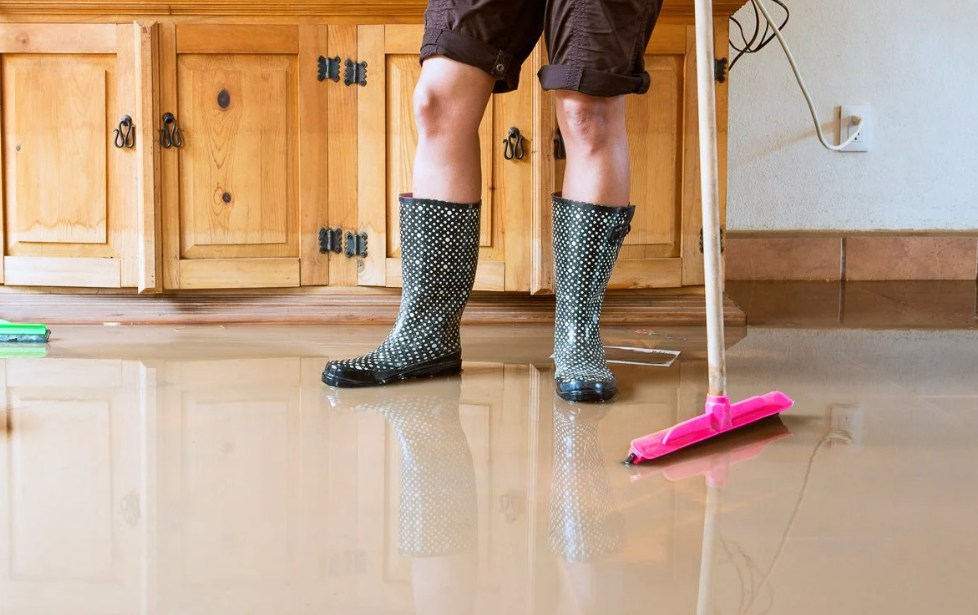
Water damage occurs when moisture infiltrates areas that aren’t meant to get wet. It can be sudden — like a burst pipe or a flooded washing machine — or gradual, such as a slow leak beneath a sink. Over time, even minor leaks can weaken structures, cause mold growth, and destroy flooring or paint.
In the UK, where rain and damp weather are common, homeowners must pay extra attention to potential problem areas. Bathrooms, kitchens, basements, and roofs are the most vulnerable spots. Recognising early signs of moisture damage — such as discoloured walls, peeling paint, a musty smell, or warped wood — is the first step to prevention
Check Plumbing Fixtures Regularly
Your plumbing system runs through every part of your home, so it’s crucial to inspect it regularly. A dripping tap might seem harmless, but that constant moisture can lead to mould and high water bills over time. Make sure to look under sinks and around toilets for leaks or dampness.
You should also examine your shower and bath areas carefully. The seals around your shower screen, bathtub edges, and tiles should be tight and free from cracks. If water seeps behind these areas, it can cause hidden wall damage or rot. Replacing old seals with high-quality waterproof ones is an affordable way to protect your bathroom from long-term damage.
See also: Why a Stunning Jaimala Garland Is the First Big Moment of Your Wedding
Keep Gutters and Downpipes Clean
Rainwater management plays a huge role in preventing water damage. When gutters get clogged with leaves, dirt, or debris, water has nowhere to go except over the edge — and that overflow can damage your home’s exterior and foundations.
Cleaning your gutters at least twice a year ensures smooth water flow away from the house. Check for cracks or loose joints in the downpipes and make sure the water is being directed away from the foundation. Installing gutter guards can also help reduce maintenance needs and keep your drainage system working efficiently.
Inspect Your Roof for Leaks
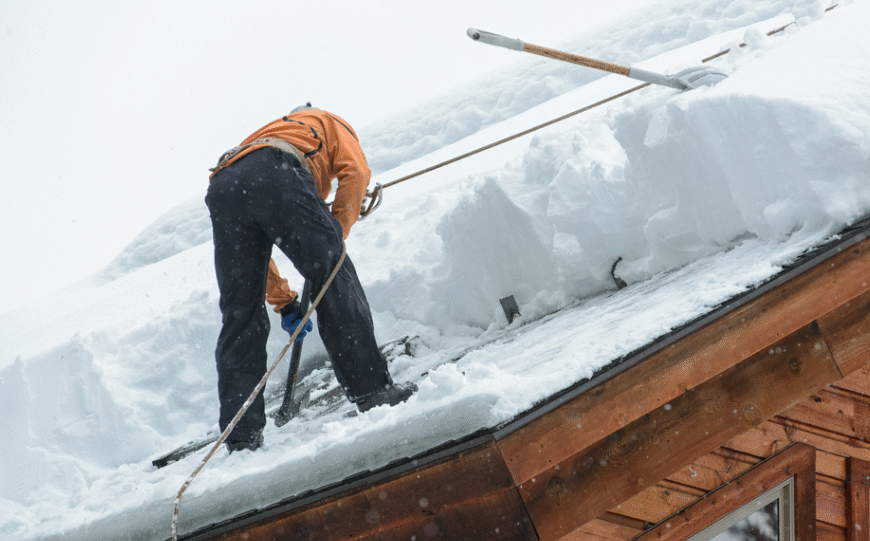
Your roof is your home’s first line of defence against rain and storms. A single loose tile or small gap can let water in, especially during heavy downpours. Conduct a roof inspection at least once a year or after severe weather.
Look for missing or cracked tiles, damaged flashing, and blocked roof valleys. From inside your attic, check for damp insulation or dark stains on wood beams — both can signal a leak. Addressing these issues early can save thousands in repair costs later.
Protect Your Bathroom from Moisture
Bathrooms are among the wettest rooms in any house. Every shower releases humidity that can cling to walls, ceilings, and floors. Without proper sealing and ventilation, that moisture can lead to mildew and paint damage.
Install a good-quality exhaust fan and make sure it runs for several minutes after every shower. Keep an eye on your shower door or screen seals, as they are often the first barrier that fails. When seals wear out, replace them immediately to maintain a watertight enclosure. For reliable seal replacement and fitting guidance, it’s helpful to Click here to explore professional resources and quality products tailored to UK bathrooms.
Prevent Basement Flooding
If your home has a basement, it’s particularly prone to water intrusion. Water naturally flows downhill, and basements can collect moisture from surrounding soil.
Ensure your foundation walls are well-sealed from the outside. Install a sump pump if your area is prone to flooding, and test it regularly. Check that exterior drainage systems move water away from your house rather than toward it. If you notice dampness or condensation on basement walls, consider installing a dehumidifier to control humidity levels.
Maintain Proper Home Ventilation
Good airflow can significantly reduce moisture buildup. Kitchens and bathrooms should have working extractor fans, while other areas can benefit from simply opening windows regularly. Proper ventilation keeps humidity levels balanced and prevents condensation — a major contributor to mold growth and wall damage.
If your home tends to trap moisture, consider using moisture absorbers or a dehumidifier. These devices can help protect furniture, paint, and structural materials from damp-related issues.
Monitor Water Pressure and Appliances
High water pressure can put extra stress on pipes and joints, increasing the risk of leaks. Install a pressure gauge and ensure your home’s water pressure stays within the recommended range.
Appliances such as washing machines, dishwashers, and water heaters should also be checked regularly. Inspect hoses for cracks or bulges and replace them every few years. Simple maintenance goes a long way toward avoiding unexpected water disasters.
What to Do If You Spot Early Signs of Water Damage
If you find moisture stains, bubbling paint, or mold growth, don’t ignore them. These are early signs of a leak or trapped humidity. Identify the source immediately — whether it’s a pipe, roof, or seal — and fix it before the problem spreads.
Dry out the affected area using fans or dehumidifiers. For larger leaks, call a professional plumber or water damage specialist. Addressing small leaks quickly can prevent structural weakening, foul odours, and costly restoration.
Final Thoughts: Prevention Is Better Than Repair
Water damage is one of the most preventable household issues, yet it’s also one of the most common. By staying alert and performing regular maintenance, you can protect your new home from costly repairs and preserve its long-term value.
Make it a routine to check plumbing, seals, gutters, and ventilation every few months. Keep an eye out for even the smallest leaks — because they rarely stay small for long. To learn more about sealing solutions, expert maintenance tips, and reliable waterproof products designed for UK homes, don’t forget to Click here. A few simple steps today can save you a lot of stress, effort, and money tomorrow.