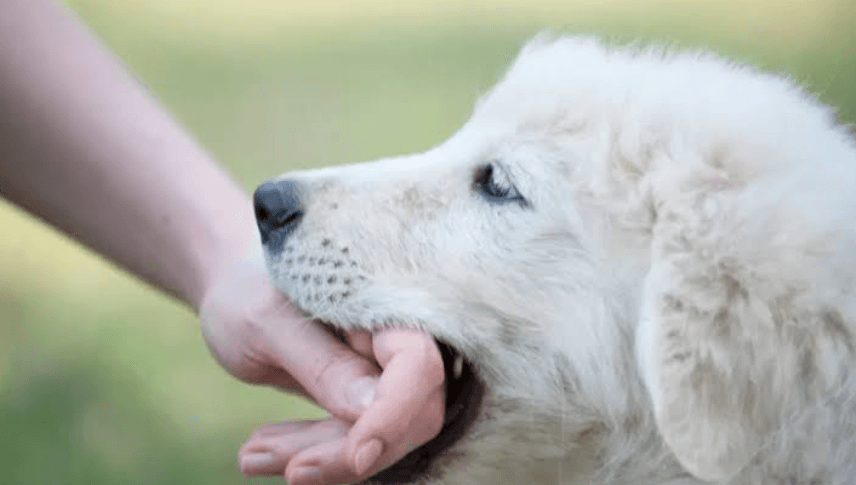
A provocation defense can reduce or defeat a dog bite claim, but Texas law requires proof beyond the owner’s personal opinion. The defense must connect the injured person’s deliberate conduct with the animal’s reaction. Evidence may include witness accounts, surveillance footage, medical records, photographs, and statements made after the incident. A strong challenge examines timing, intent, physical facts, and credibility, separating genuine provocation from startled movement, accidental contact, or an attempt to escape danger.
Legal Help After an Attack
After an attack, an injured person may face questions about conduct that occurred within seconds. Early legal review helps preserve accurate details before memory fades or opposing statements take shape. A dog bite lawyer at Texas Law Dog can assess medical records, photographs, witness accounts, property footage, and messages connected with the event. Counsel can also identify unsupported claims, request relevant documents, and prevent careless remarks from being treated as admissions.
What Counts as Provocation?
Texas courts may examine whether the injured party intentionally acted in a manner that caused the bite. Examples can include striking, kicking, teasing, chasing, cornering, or threatening an animal. Accidental contact presents a different issue. Someone who stumbled, raised an arm, or moved suddenly after becoming frightened may not have intended to trigger an attack. The defense must link conduct, purpose, and reaction through reliable evidence.
Burden of Proof
The party asserting provocation must support that position with facts. An owner’s statement carries less weight when no independent evidence confirms it. Beneficial testimony explains what happened immediately beforehand, where each person stood, and how the animal responded. Conflicting accounts, missing details, or changing explanations can weaken the argument. Courts also consider whether the proposed sequence matches photographs, injuries, recordings, and property damage.
Challenging Intent
Intent often determines whether conduct qualifies as provocation. A claimant might touch a gate, reach toward another person, or try to leave the area. Those actions do not automatically show a purpose to upset the animal. Fear, poor visibility, confusion, and limited warning can explain sudden movement. The defense must distinguish a deliberate act from an instinctive response during a rapidly developing threat.
Examining Animal Behavior
Animal behavior can provide context, although it cannot establish legal fault by itself. Barking, lunging, chasing, or escaping a secured area may show how quickly the encounter developed. An animal that crossed a boundary before contact may support the claimant’s account. Training documents, prior complaints, licensing records, and owner statements can reveal whether similar conduct occurred before the reported attack.
Comparing Physical Evidence
Injuries may challenge an allegation that the claimant initiated the confrontation. Bite locations, torn clothing, bruises, scratches, and damaged property can help reconstruct movement. Wounds on the hands or forearms may indicate an effort to shield the body. Photographs taken soon afterward can preserve swelling, bleeding, torn fabric, and surrounding conditions before those details change during healing.
Reviewing Comparative Fault
Texas uses a modified comparative negligence or fault system. A court can assign responsibility to more than one party when the evidence supports shared blame. Even so, a provocation argument does not automatically eliminate compensation. The claimant’s conduct, the owner’s negligence, and other facts may receive separate consideration. Accurate analysis requires reviewing every relevant action before, during, and after the attack.
Common Defense Weaknesses
Some arguments sound persuasive but lack factual support. An owner may point to the animal’s friendly reputation, the claimant’s presence near the property, or a sudden movement. None of those facts proves intentional provocation alone. A sound response focuses on purpose, timing, physical evidence, and independent testimony. General character claims cannot replace proof about the specific encounter.
Preserving Important Evidence
Prompt preservation protects the reliability of a claim. The injured person should retain photographs, clothing, treatment records, witness contact information, messages, and incident reports. Property owners may possess surveillance footage, vaccination records, licensing documents, or prior complaint history. Requests for these materials should occur before recordings get overwritten, documents disappear, or witnesses lose precise recollections.
Settlement and Trial Preparation
A well-supported challenge can improve settlement discussions by reducing factual uncertainty. Consistent testimony, medical documentation, photographs, and recordings provide a clearer account of events. If negotiations fail, the same material can support depositions, motions, and trial presentation. Attorneys may question the owner about containment, warnings, prior incidents, animal control records, and statements made immediately after the attack.
See also: Publishing on Demand: A Modern Approach to Bringing Your Ideas to Life
Conclusion
A provocation defense requires evidence connecting deliberate conduct with the dog’s reaction. Challenging that position involves examining intent, timing, witness reliability, physical injuries, recordings, and the animal’s movements. A startled gesture or defensive action may have a reasonable explanation, especially during a sudden attack. By preserving records and testing each allegation, legal counsel can present a more accurate account of responsibility and pursue compensation based on documented facts rather than speculation.