Switch gear solutions play a vital role in maintaining safe, stable, and efficient electrical distribution across critical infrastructure. From power generation facilities to transit networks and large commercial properties, electrical systems depend on properly designed switchgear to control, protect, and isolate equipment under both normal and fault conditions. As energy demands grow and infrastructure becomes more complex, the role of modern switchgear continues to expand.
Power stations require dependable equipment to manage high electrical loads and prevent faults from affecting generation continuity. Transit systems rely on uninterrupted power distribution to support signaling, traction, and station operations. Commercial buildings need safe and adaptable electrical control systems to support lighting, HVAC, elevators, and sensitive digital infrastructure. In each setting, switchgear contributes to operational reliability, personnel safety, and system resilience.
Understanding how switchgear is applied across these environments helps explain why equipment selection, design configuration, and performance standards are critical considerations in electrical infrastructure planning.
Understanding the Role of Switchgear in Infrastructure
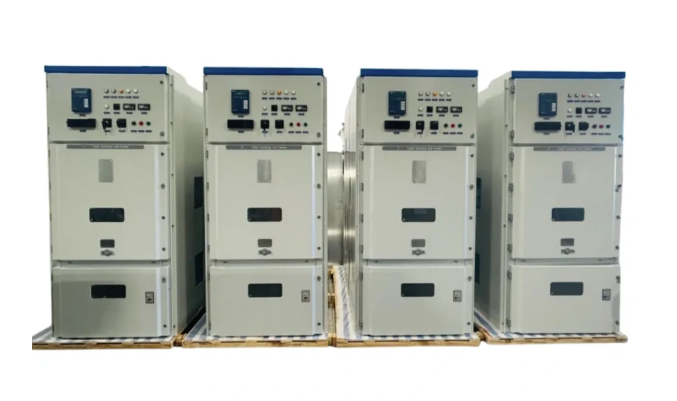
Switchgear refers to a combination of devices used to regulate, protect, and disconnect electrical circuits and equipment. These assemblies may include circuit breakers, disconnect switches, relays, fuses, busbars, and monitoring systems.
Its core functions include:
- Interrupting fault currents before damage occurs
- Isolating equipment for maintenance
- Distributing electrical power safely
- Protecting people and connected systems
- Supporting continuity during changing load conditions
In large infrastructure environments, these functions are not optional. They are essential for reducing risks associated with overloads, short circuits, arc faults, and equipment failures.
Why Different Facilities Need Different Switch Gear Solutions
Electrical requirements vary significantly across industries. A power station has different demands than a subway network or a multi story office tower. For this reason, switchgear is often designed to meet application specific operating conditions.
Factors influencing solution design include:
Voltage Levels
Some facilities operate at medium voltage or high voltage, while others require low voltage systems for building distribution. Switchgear configurations must align with voltage demands.
Load Characteristics
Power stations may handle fluctuating generation loads, while commercial buildings often manage diverse but predictable loads. Transit systems may experience rapid demand shifts during peak operations.
Environmental Conditions
Outdoor substations, underground rail tunnels, and climate controlled commercial spaces all create unique operating challenges for electrical equipment.
Safety Requirements
Facilities with higher public exposure or critical services often require advanced fault protection and compartmentalized switchgear designs.
These variables shape how switch gear solutions are engineered and implemented.
Switch Gear Solutions in Power Stations
Power stations represent some of the most demanding environments for switchgear. Electrical generation facilities must maintain reliability while managing high current levels, fault risks, and continuous operational loads.
Generator Protection and Control
Switchgear helps protect generators from electrical faults that could cause severe equipment damage. Protection relays and breakers detect abnormalities and isolate affected components before failures spread.
This protection often supports:
- Overcurrent fault interruption
- Generator synchronization
- Bus transfer operations
- Load balancing support
These functions improve generation stability and protect critical assets.
Supporting Substation Operations
Power stations often connect to transmission systems through substations that rely heavily on switchgear. Metal enclosed and gas insulated systems are commonly used to manage space, reliability, and maintenance needs.
These systems help support:
- Incoming and outgoing feeder control
- Transformer protection
- Grid interconnection stability
- Fault containment
Reliable switching performance directly affects the ability to maintain power delivery.
Enhancing Continuity in Critical Operations
Unexpected outages in a power station can affect large service areas. Modern switchgear helps minimize these disruptions through automation, fault detection, and sectionalizing capabilities.
Features such as intelligent relays and remote monitoring can improve response times when abnormal conditions occur.
See also: Maintaining Well-Being in Busy Cities
Switch Gear Solutions in Transit Systems
Transit networks depend on consistent electrical performance to maintain operational safety and passenger service. Rail systems, metro networks, and electric transit infrastructure all rely on specialized switchgear applications.
Traction Power Distribution
Electric trains and transit systems require dependable traction power to operate. Switchgear supports the distribution and protection of this power while managing varying load demands.
It often protects:
- Traction substations
- Feeder systems
- Rectifiers and converters
- Rail power circuits
Without effective protection, a fault in one area could disrupt broader transit operations.
Supporting Signaling and Control Systems
Transit safety depends heavily on signaling networks, communication systems, and operational controls. These systems often require uninterrupted and highly reliable power distribution.
Switchgear helps support:
- Backup power integration
- Circuit isolation during faults
- Redundant system protection
- Safe maintenance access
This contributes to system stability and operational safety.
Addressing Space Constraints in Urban Transit
Transit environments often have limited installation space, especially in underground facilities. Compact switchgear solutions can help optimize available space while maintaining performance.
Gas insulated and modular switchgear designs are often used where footprint limitations are a concern.
Switch Gear Solutions in Commercial Buildings
Commercial buildings present a different set of electrical challenges. Office towers, hospitals, retail centers, and mixed use developments all require safe, flexible power distribution.
Managing Building Power Distribution
Switchgear acts as a central component in distributing electricity throughout a commercial property. It helps ensure power reaches critical systems while protecting against faults.
This often includes support for:
- Lighting systems
- HVAC equipment
- Elevators and escalators
- Emergency power systems
- Data and communications equipment
Properly configured switchgear improves both safety and operational reliability.
Supporting Backup and Emergency Systems
Many commercial facilities rely on emergency generators and backup power systems. Switchgear plays a critical role in integrating these systems.
Applications may include:
- Automatic transfer switching
- Emergency load prioritization
- Generator connection management
- Continuity during utility outages
These capabilities are especially important in hospitals, data centers, and life safety systems.
Adapting to Changing Building Demands
Modern commercial buildings often evolve over time. Tenant changes, increased digital infrastructure, and energy efficiency upgrades can alter electrical demands.
Modular switchgear can support scalability by allowing future expansion without major system redesigns.
Key Features Found in Modern Switch Gear Solutions
Advancements in switchgear technology have improved safety, monitoring, and operational efficiency across infrastructure sectors.
Arc Fault Protection
Arc faults can cause severe damage and safety hazards. Modern switchgear may include arc resistant designs that help contain fault energy and improve personnel protection.
This feature is especially valuable in critical or occupied facilities.
Intelligent Monitoring Systems
Digital monitoring capabilities allow operators to assess system conditions in real time. Sensors and smart controls can track performance indicators such as:
- Temperature
- Load conditions
- Fault activity
- Equipment health
- Power quality metrics
This improves maintenance planning and fault response.
Remote Operation Capabilities
Remote switching and monitoring can reduce manual intervention while improving response speed during abnormal conditions.
This can be particularly useful in distributed power infrastructure or difficult access locations.
Importance of Reliability in Critical Infrastructure
Reliability is one of the primary goals of switchgear design. Electrical disruptions in major infrastructure can lead to operational downtime, safety risks, and financial consequences.
Reliable switchgear supports:
- Reduced unplanned outages
- Improved fault isolation
- Longer equipment life
- Stable power delivery
- Greater operational resilience
In critical facilities, reliability is often tied directly to service continuity and public safety.
Safety Considerations in Switchgear Selection
Safety performance remains a major factor in selecting switch gear solutions. Poorly matched or outdated equipment can increase exposure to electrical hazards.
Fault Withstand Capability
Switchgear must be rated to handle expected fault levels within the system. Under rated equipment may fail during abnormal conditions.
Proper coordination studies help determine suitable protection requirements.
Equipment Compartmentalization
Compartmentalized designs can help contain faults and prevent failures from spreading to adjacent components.
This can improve both system protection and personnel safety.
Maintenance Accessibility
Safe maintenance access is an important design factor. Equipment layouts that support isolation and inspection reduce operational risks during servicing.
Environmental and Space Considerations
Infrastructure environments often introduce challenges related to space limitations and environmental exposure.
Indoor and Outdoor Applications
Switchgear may be installed indoors, outdoors, underground, or in harsh industrial environments. Equipment selection often depends on:
- Moisture exposure
- Dust contamination
- Temperature variation
- Corrosion risk
- Ventilation conditions
These factors affect enclosure design and material selection.
Compact Infrastructure Requirements
Urban infrastructure projects often prioritize compact systems to reduce space demands. This has increased the use of modular and gas insulated switchgear in many applications.
Compact solutions can support performance without requiring large footprints.
The Growing Role of Smart Grid Compatibility
As electrical networks become more intelligent, switchgear is increasingly expected to support smart grid functionality.
Modern solutions may integrate with systems that support:
- Automated fault response
- Load optimization
- Distributed energy resources
- Grid communication networks
- Predictive maintenance strategies
This supports evolving energy infrastructure while improving efficiency and reliability.
Lifecycle and Maintenance Considerations
Switchgear performance depends not only on design but also on long term maintenance practices.
Important considerations include:
- Inspection schedules
- Condition monitoring
- Component testing
- Protective relay verification
- End of life replacement planning
Lifecycle planning helps maintain performance while reducing the risk of unexpected failures.
In critical facilities, maintenance strategy is often as important as the original equipment selection.
Common Challenges in Infrastructure Switchgear Applications
Despite technological advances, several challenges remain common across infrastructure projects.
Aging Electrical Systems
Older facilities may have legacy switchgear that no longer aligns with modern safety or performance expectations.
Modernization may be needed to address reliability concerns.
Rising Energy Demand
Growing electrical loads can strain systems not designed for expansion. Scalable switchgear solutions help address these challenges.
Integration Complexity
Combining new equipment with existing infrastructure can create coordination challenges that require careful engineering.
Addressing these issues early improves long term system performance.
Future Trends in Switch Gear Solutions
Infrastructure demands continue to shape switchgear development. Several trends are influencing future designs.
Greater Digitalization
Smart monitoring and data driven diagnostics are becoming more common in switchgear systems.
This supports more proactive maintenance and operational awareness.
Increased Focus on Resilience
Grid disturbances, severe weather events, and power quality concerns are increasing demand for resilient electrical infrastructure.
Switchgear design is evolving to support these priorities.
Support for Energy Transition
As renewable energy integration grows, switchgear is playing a larger role in supporting changing power flows and distributed resources.
This adds new requirements for flexibility and control.
Conclusion
Switch gear solutions are a foundational part of electrical infrastructure in power stations, transit systems, and commercial buildings. While each environment has unique operational demands, all depend on switchgear to support protection, control, reliability, and safety.
From managing generator systems in power plants to supporting traction power in transit networks and building distribution in commercial facilities, switchgear plays a direct role in keeping critical systems functioning. Advances in digital monitoring, compact design, fault protection, and smart grid integration continue to improve how these systems perform.
As infrastructure grows more complex and electrical demands continue to evolve, well designed switchgear remains essential for supporting resilient and dependable power systems.